Sustainable Solutions: Skilled Environmental Support for Your Business
Eco-friendly strategies act as a vital piece in current business landscape. Professional green consulting offers companies the ability to improve operations while curtailing their ecological footprint. Through addressing ecological impact and compliance requirements, professionals lead organizations along the path of eco-friendly initiatives. This transition helps not only the planet but also resonates with the ethics of environmentally aware buyers. The road toward sustainability, yet, is complex and demands thoughtful evaluation of multiple factors. What measures can organizations consider to spark this change?
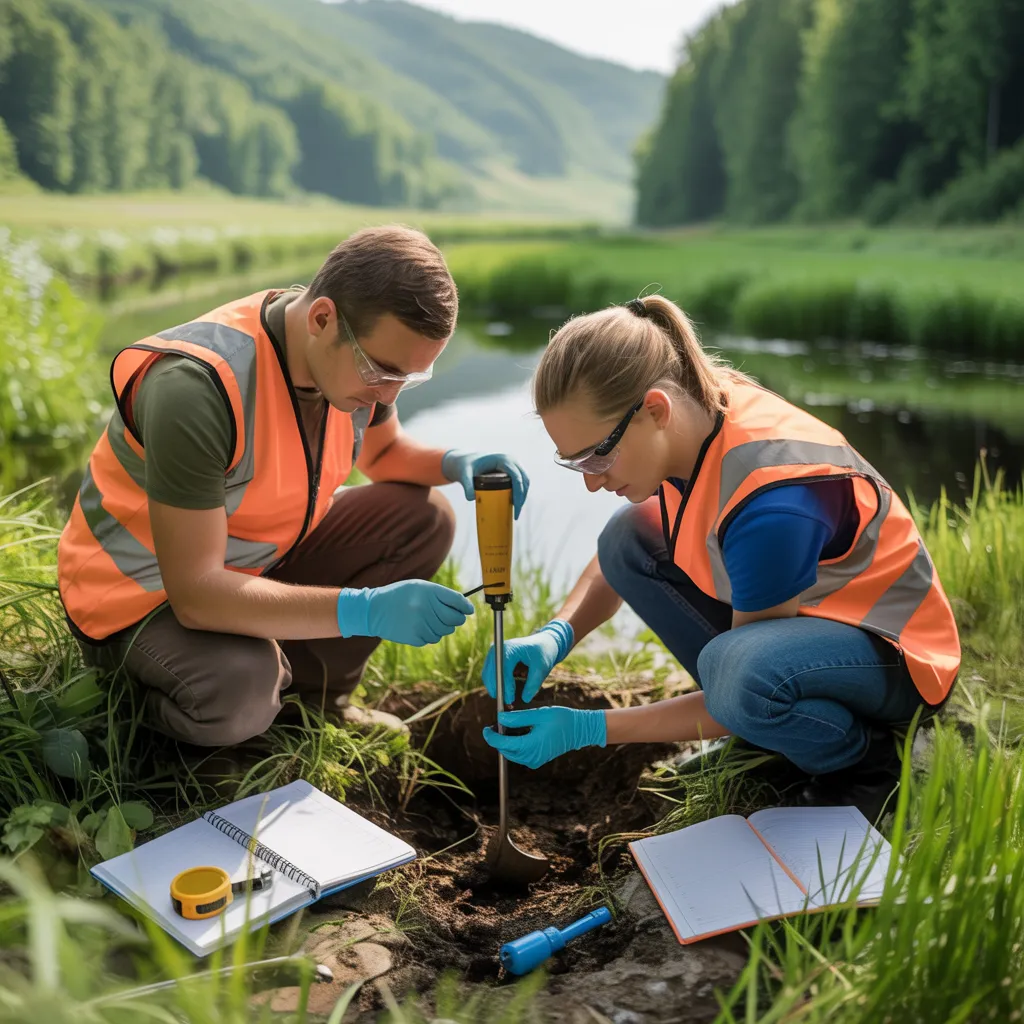
Learning About Environmental Professional Guidance and Its Advantages
Recognizing environmental consulting is necessary for businesses endeavoring to introduce environmentally sound practices. This discipline requires authoritative guidance on environmental regulations, green business strategies, and optimal resource utilization. Sustainability professionals scrutinize a entity's operational scope to detect betterment possibilities, ensuring observance of environmental regulations and constraining ecological damage.
The advantages of retaining environmental consultants are considerable. They offer tailored solutions that strengthen operational productivity, reduce waste, and lower costs tied to resource consumption. By assessing potential environmental threats, consultants help businesses mitigate liabilities and strengthen public reputation. Additionally, the integration of sustainable practices often leads to creativity and competitive advantage in the marketplace.
Over the long term, collaborating with environmental consultants builds a culture of sustainability within enterprises, prompting employees to implement environmentally responsible behaviors. By leveraging their professional knowledge, businesses not only contribute to environmental protection but also establish themselves as leaders in corporate responsibility, drawing in increasingly environmentally minded consumers.
Evaluating Your Ecological Footprint
Assessing a business's ecological impact entails identifying key impact areas and measuring resource consumption rates. By analyzing these factors, organizations can determine where changes are required. This method not only supports sustainability but also boosts operational efficiency.
Identifying Key Impact Zones
Many companies disregard the critical importance of recognizing key focal points when evaluating their ecological impact. By pinpointing specific aspects of their operations that contribute to ecological harm, organizations can create focused approaches for enhancement. These key zones often encompass energy consumption, waste generation, water use, and emissions. Comprehending these elements allows enterprises to prioritize measures that yield the most significant ecological advantages. In addition, engaging stakeholders in this identification process cultivates a sustainable culture within the organization. By recognizing and tackling these key impact areas, businesses place themselves to improve their overall sustainability, reduce costs, and meet regulatory requirements. This proactive approach ultimately promotes long-term ecological and economic viability.
Evaluating Resource Consumption Rates
Once key impact zones are recognized, the next step involves measuring resource consumption rates to evaluate the company's environmental footprint. This process demands a organized method to collect information on energy, water, and material usage across all activities. Employing instruments like power assessments, liquid evaluations, and material flow analysis can offer understanding into consumption patterns. Organizations should also think about creating benchmarks to measure against sector benchmarks or past performance. By examining these metrics, enterprises can pinpoint inefficiencies and chances to decrease usage. Accurate measurement not only helps in compliance with ecological laws but also enhances corporate sustainability strategies. This data-driven approach is crucial for choosing wisely that support lasting ecological objectives.
Significant Sectors for Eco-friendly Enterprise Practices
Moreover, entities can invest in clean energy alternatives, like solar or wind, to cut back detailed article on dependence on fossil fuels. Staff involvement in sustainability programs nurtures a culture emphasizing responsibility, fostering originality and commitment to eco-conscious practices. Conclusively, honest communication about environmental objectives and advancements reinforces investor trust and illustrates accountability. By merging these principal sectors, organizations support nature conservation and solidify their standing as innovators in ethical business, captivating green-minded shoppers.
Finding the Ideal Environmental Consultant for You
Picking an environmental consultant necessitates a solid grasp of a business's specific needs and goals. Examining these demands enables organizations to connect with consultants who possess the pertinent skills and track record. This calculated strategy assures that firms decide wisely for sustainable solutions.
Determining Your Business Needs
When enterprises acknowledge the importance of eco-friendly practices, they often encounter the task of identifying the suitable green advisor to fulfill their specific requirements. This process begins with a detailed assessment of the organization's environmental objectives, compliance obligations, and existing practices. Companies should consider their industry context, operational scale, and specific challenges, including trash disposal or power efficiency. Involving multiple team members across the company can provide valuable insights into the priorities and desired results of the consulting relationship. Additionally, it is critical to define the service range needed, whether it involves compliance, strategy development, or professional development. By explicitly stating these needs, businesses can accelerate the selection process and guarantee a more productive working relationship with their preferred consultant.
Analyzing Consultant Knowledge
How can organizations guarantee they choose the appropriate environmental consultant? Evaluating consultant knowledge involves multiple critical considerations. First, firms should assess the consultant's qualifications, encompassing relevant certifications, training, and background in particular environmental sectors. Subsequently, examining previous assignments and customer feedback delivers understanding into the consultant's performance and dependability. Additionally, grasping their methodology to sustainability initiatives—whether they stress novel solutions or standards compliance—is crucial. Interpersonal abilities also serve a important component; a consultant must clearly relay complicated data to diverse key players. In the end, factor in the consultant's dedication to continuous learning and keeping current on environmental requirements and innovations. Via thoroughly analyzing these factors, entities can reach sound decisions and appoint a consultant most aligned to their distinctive requirements.
Build Your Individual Sustainability Initiative
A effective sustainability strategy can substantially enhance a firm's environmental impact and operational effectiveness. This process begins with a in-depth assessment of the company's current methods, identifying sections where improvements can be made. Important parties should be involved in this appraisal to ensure varied viewpoints are considered.
Following this, precise, quantifiable goals must be established. These goals should align with the broader aims of the organization while addressing environmental concerns such as reducing waste, energy efficiency, and resource conservation.
Furthermore, it is essential to integrate innovative solutions tailored to the unique challenges of the industry. Collaborating with expert environmental consultants can provide useful knowledge into best practices and advanced innovations.
In conclusion, a structured communication framework can advance a sustainability culture within the organization, confirming that all employees grasp their functions in reaching these goals. This integrated approach ultimately establishes the business as a sustainability pioneer.
Implementing Sustainable Solutions Effectively
Effective implementation of green practices requires a well-planned strategy that prioritizes clarity and purpose. Businesses must first set up clear objectives, identifying specific sustainability goals aligned with their overall mission. This includes involving stakeholders, such as employees and suppliers, to promote a culture of sustainability throughout the organization.
Next, organizations should allocate resources effectively, ensuring that the necessary technologies, training, and tools are in place to promote environmentally responsible operations. Ongoing communication is essential, as it keeps all parties aware and motivated.
Moreover, incorporating sustainability into existing processes can enhance productivity and reduce opposition to transformation. By piloting initiatives, enterprises can assess feasibility and make adjustments before full-scale implementation.
In the final analysis, a passionate leadership team, combined with transparent processes and sustained involvement, can substantially boost the impact of sustainable solutions, providing long-term benefits for both the organization and the ecological system.
Evaluating Your Sustainable Growth
What techniques can businesses apply to track their sustainability progress efficiently? Companies can implement a variety of tools and metrics to evaluate their ecological consequences and advancements. One common method is the adoption of key performance indicators that focus on power consumption, waste management, and CO2 output. By creating well-defined targets, businesses can assess their improvements over time.
In addition, digital solutions that monitor resource consumption and emissions can supply real-time insights, supporting clearer judgment. Routine environmental audits are vital, assisting organizations to recognize areas for enhancement and maintain compliance with environmental regulations.
Involving participants through surveys and feedback mechanisms can substantially enhance the tracking process, cultivating a culture of accountability and continuous improvement. In the end, a structured methodology to monitoring environmental advancement enables businesses to implement thoughtful changes and demonstrate their dedication to ecological responsibility.
Regularly Asked Questions
What Is the Typical Cost of Ecological Consulting for Businesses?
Environmental consulting pricing for businesses generally fluctuate from $100 to $300 per hour, reliant on the firm's expertise and complexity. Fixed pricing may be applicable, adjusting in relation to services needed and project length.
Which Qualifications Must I Consider in an Environmental Specialist?
When picking an environmental consultant, you should look for certifications such as Certified Environmental Professional (CEP), ISO 14001, or LEED accreditation, as these reflect expertise and dedication to sustainable practices within environmental management.
Do Smaller Companies Reap Benefits From Eco-Consulting Services?
Yes, small commercial entities can substantially benefit from environmental consulting services. These expert services help optimize resource use, minimize waste, strengthen compliance with industry standards, and boost overall sustainability, ultimately creating cost savings and a better public image.
How Frequently Should I Update My Sustainability Strategy?
Refreshing a sustainability strategy should happen annually or biannually, guided by industry changes and organizational growth. Periodic assessments guarantee coordination with evolving regulations, partner requirements, and cutting-edge solutions, catalyzing continuous improvement and enhanced green outcomes.
What Industries Benefit Most From Environmental Advisory Services?
Industries comprising manufacturing, construction, energy, and agriculture benefit substantially from environmental consulting. These sectors frequently encounter legal requirements, resource utilization challenges, and environmental objectives that need specialist advice to enhance their environmental performance and compliance.